Apple TV’s Your Friends and Neighbors Season 1 fascinated and entertained audiences with its novel perspective on the lives of suburbanites facing the unimaginable and the choices they make.
With Season 2 premiering on April 3, show creator Jonathan Tropper gave The Televixen a peek into how he approached writing the characters who take some unconventional paths through their personal challenges and what we can expect to see as their lives get even more complicated.
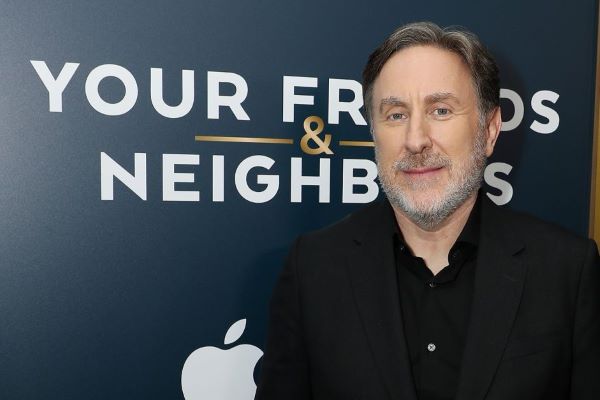
From Banshee to Warrior to Your Friends and Neighbors, you write some of the most fascinating characters on television. Please give us some insights into Coop, the central protagonist of Your Friends and Neighbors.
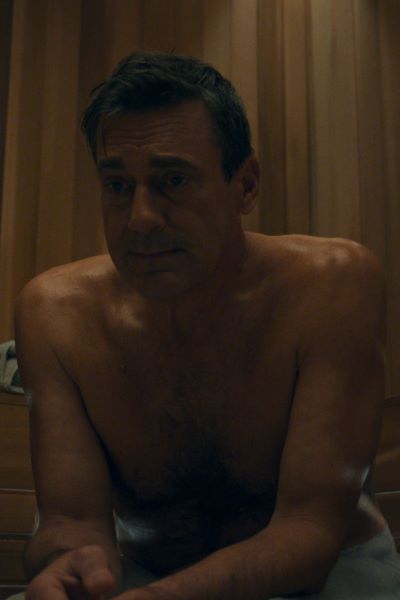
Coop is struggling. He’s having an existential crisis. He’s a man who has always been the alpha, who has always been driven, and who has always known what he wants until he realizes that what he’s wanted for all these years wasn’t going to want him back.
The show throws him into this crisis where “Everything I Thought I Knew Was Wrong.” He’s going through this existential crisis, and at the same time, he’s acting out in a really irrational and somewhat dangerous way. It’s almost as if he’s trying to self-destruct in order to find some deeper truth that he can’t quite access.
Ultimately, whenever we decide to end this show, Coop has to come to terms with why he’s doing what he’s doing. Because it’s not to feed his family. He could’ve gotten his job back. He could’ve gotten another job. There’s something he’s looking for, and he hasn’t found it yet.
I think that’s a lot of us in our 50s, realizing we’ve gotten to the halfway mark or more, and we can’t go back and do it over again, so how do we right the ship right where we are? Coop is trying to fix the plane while he’s flying it. That’s his struggle.
While Coop’s engaging in these self-destructive behaviours, who does he discover is in the same boat?
You’re gradually coming to understand that pretty much all of them are in this boat in different ways. They might not all be having financial problems, but they’re having these existential mid-life problems. “Is this it?” It’s the quiet desperation of suburban middle age.
So whether it’s discovering — which we get more into [in] Season 2 — what Barney’s going through. Really, Season 2 is about Mel spinning out as she confronts her own mortality and menopause, and her kids getting ready to leave home, and her lack of career, now that she’s lost her career as a therapist.
And it’s Sam wondering if she should even be living here. She married into this place, and it was so important to her to achieve equality with all these other women. Now, she’s not sure she even wants it. Everyone is trying to figure out if it’s not too late to make some radical changes.
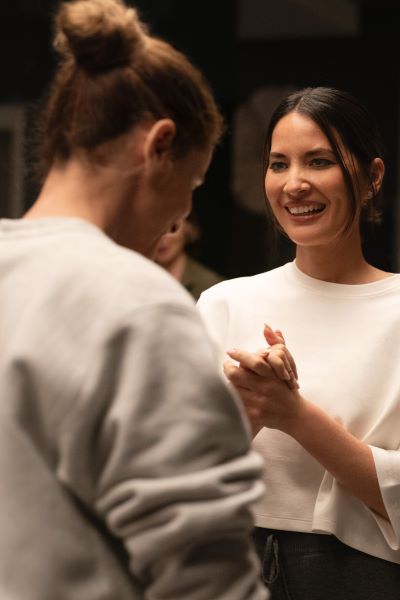
With characters like Mel and Sam, you’ve created deep, authentic characters who are more than women fulfilling a narrative role. Furthermore, they have fantastic, genuine interactions with one another that reflect real-life struggles not often represented on TV. How do you tap into those gendered relations?
First of all, I do have a lot of women in the writer’s room, and that helps. It also helps to have these actors who are not content to just be handed scripts. They want to say something with their characters, and they want to bring their own experience to bear on it.
With both Amanda and Olivia, there’s a standard that I’m expected to deliver for them. If I don’t, they will want to sit down and [ask], “In this scene, what if I did this or what if I said that?” They’re very protective of their characters, and they advocate for them.
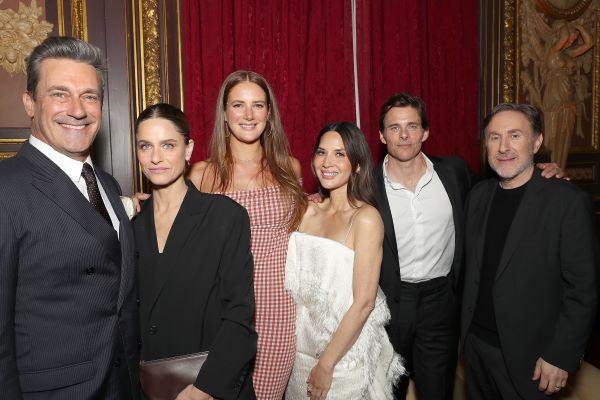
In general, whether I was writing books or films, the idea was always “Don’t write towards gender, just write a character.” The actor will bring the gender stuff. Obviously, that’s a simplification. Sometimes you have to, but you can rely on the actor to deliver — whether it’s the masculinity or the femininity — that they find in the character. For me, it’s about “What’s this character going through? What do they want? What’s their damage?” and that is genderless.